Proximity is now SPA Australia LEARN MORE


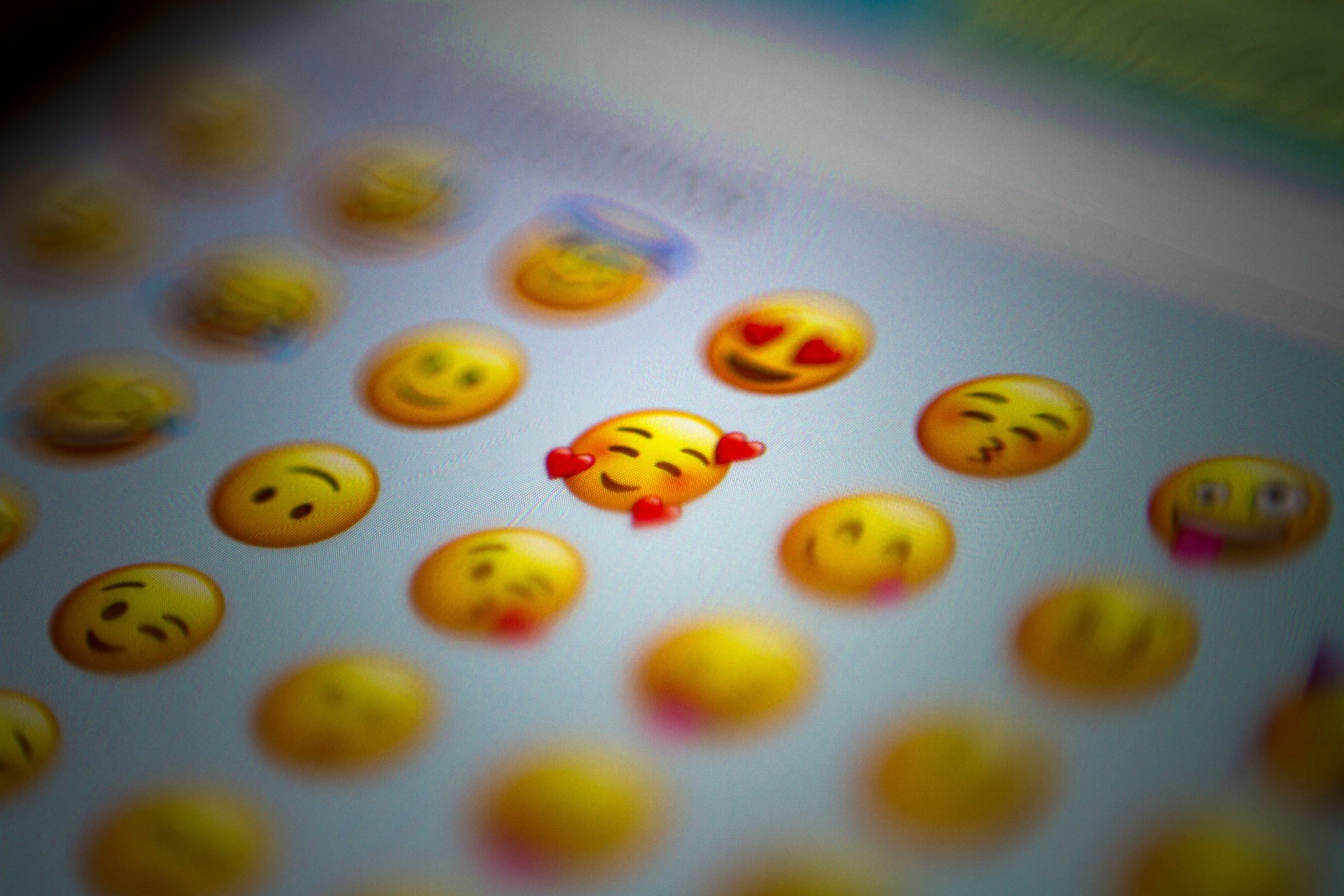
Emojis have found their way into the daily communication habits of Australians and are increasingly being used in professional settings. These once-novel additions to text messages have become embedded in modern communication, helping convey tone, agreement, emotion and sarcasm where body language and vocal cues are absent.
Courts are now being asked to interpret emojis as evidence, with a growing body of international and Australian cases beginning to shape the legal landscape.

When a thumbs-up becomes contract acceptance
In the Canadian case of South West Terminal Ltd v Achter Land & Cattle Ltd, after receiving a photograph of a signed flax contract with the message “Please confirm flax contract”, the recipient replied with a 👍 emoji.
The court concluded that the emoji constituted acceptance of the contract. Importantly, it did not reach that conclusion because a thumbs-up emoji is inherently equivalent to a signature. Rather, it examined the context, including the parties’ longstanding business relationship, their previous communications, and the way they routinely confirmed agreements with responses such as “Yep” or “Looks good”. The judge described the emoji as a “non-traditional means” of signing a document but found that, in context, it effectively conveyed the purposes of a signature.
The decision illustrates how intention in contract formation has evolved in the digital age. We have moved from wet-ink signatures to electronic signatures, and now potentially to emojis. It also reinforces the importance of clear, unambiguous language in commercial transactions.
Internationally, emojis have also appeared in defamation and criminal law.
In the UK defamation case of Lord McAlpine of West Green v Bercow, a tweet asking, “Why is Lord McAlpine’s name trending? Innocent face” was held to imply guilt because the words “innocent face” were interpreted ironically, much like an emoji. The court recognised that seemingly neutral words or symbols can fundamentally alter the meaning of a statement when viewed in context.
Emojis enter the evidence file
Similarly, overseas criminal courts have found emoji-only messages capable of constituting threats of violence. Cases in France and the United States demonstrate that emoji sequences can communicate serious threats when considered alongside the surrounding circumstances and the relationship between the parties.
Australian courts have had relatively few opportunities to consider emoji interpretation directly, but several decisions provide useful guidance.
In Burrows v Houda, the NSW District Court considered whether a zipper-mouth emoji posted in response to criticism of a solicitor could convey defamatory imputations. The court concluded that it could. In reaching that view, it partly relied on Emojipedia as a reference point while recognising that emojis form part of modern communication and derive their meaning from context and the understanding of the ordinary, reasonable reader.
These decisions highlight that courts will rarely interpret an emoji in isolation. Instead, they will consider the entire communication, its surrounding context, and how a reasonable person would understand it.
The challenge of interpreting emojis
However, emojis present significant interpretive challenges. Unlike words, there is no universally accepted emoji dictionary. While resources such as Emojipedia can assist, courts will always consider surrounding words, symbols, and relationship history when determining meaning.
Emojis are also highly context-dependent. Their meaning may change depending on their sequence, whether they replace words in a sentence, or the generation using them. Consider the skull emoji. Many people would interpret it literally or as something sinister. Younger users, however, commonly use it to mean “I’m dead”, which is shorthand for finding something so funny they are figuratively “dead from laughter”.
Cultural differences add another layer of complexity. A gesture considered harmless in one country may be deeply offensive in another. Platform-specific rendering can also alter meaning, with Apple, Google, and Samsung all displaying the same emoji with minor variations that can potentially alter the meaning.
Lawyers and clients must recognise that people communicate differently online, and emojis may not be interpreted as intended. Where legal certainty matters, words remain safer than symbols.
As the Canadian judge observed, courts cannot, and should not, attempt to stem the tide of technology and the common use of emojis. Australian courts have expressed similar views, recognising that emojis have become an established form of communication capable of conveying opinion, intention, and agreement.
Like any form of communication, however, their legal meaning will ultimately depend not on the picture itself, but on the context in which it appears. That principle is likely to become increasingly important as digital communication continues to evolve.
Published on lawyersweekly.com.au in August 2026.
About SPA Australia
SPA Australia (Systems Planning & Analysis, Australia) is a leading provider of integrated legal, commercial, consulting and analytics services to government.
Our multidisciplinary approach, trusted advice and leading-edge technology and analysis help clients deliver measurable outcomes.
In 2025, SPA Australia acquired Proximity, a highly regarded professional services firm specialising in government legal, consulting, and commercial advisory services.
Our parent company, SPA, has more than 3,000 employees in 30 locations within the US, UK and Australia. In Australia, more than 130 employees are based across Canberra, Melbourne, Sydney and Adelaide, where our local teams deliver sovereign capability backed by global expertise.