Content published prior to November 2025 has been created by Proximity, a firm we acquired in 2025.
In an increasingly complex public sector environment, government lawyers are being called upon to do more than provide legal advice. This article explores the growing expectations that they also help identify ethical, reputational and public trust risks alongside legal considerations. While ultimate
Emojis may seem informal, but courts are increasingly treating them as evidence capable of carrying legal meaning. This article explores how judges are interpreting emojis in contracts, court proceedings and workplace disputes, and why context remains critical when determining their significance. Dr
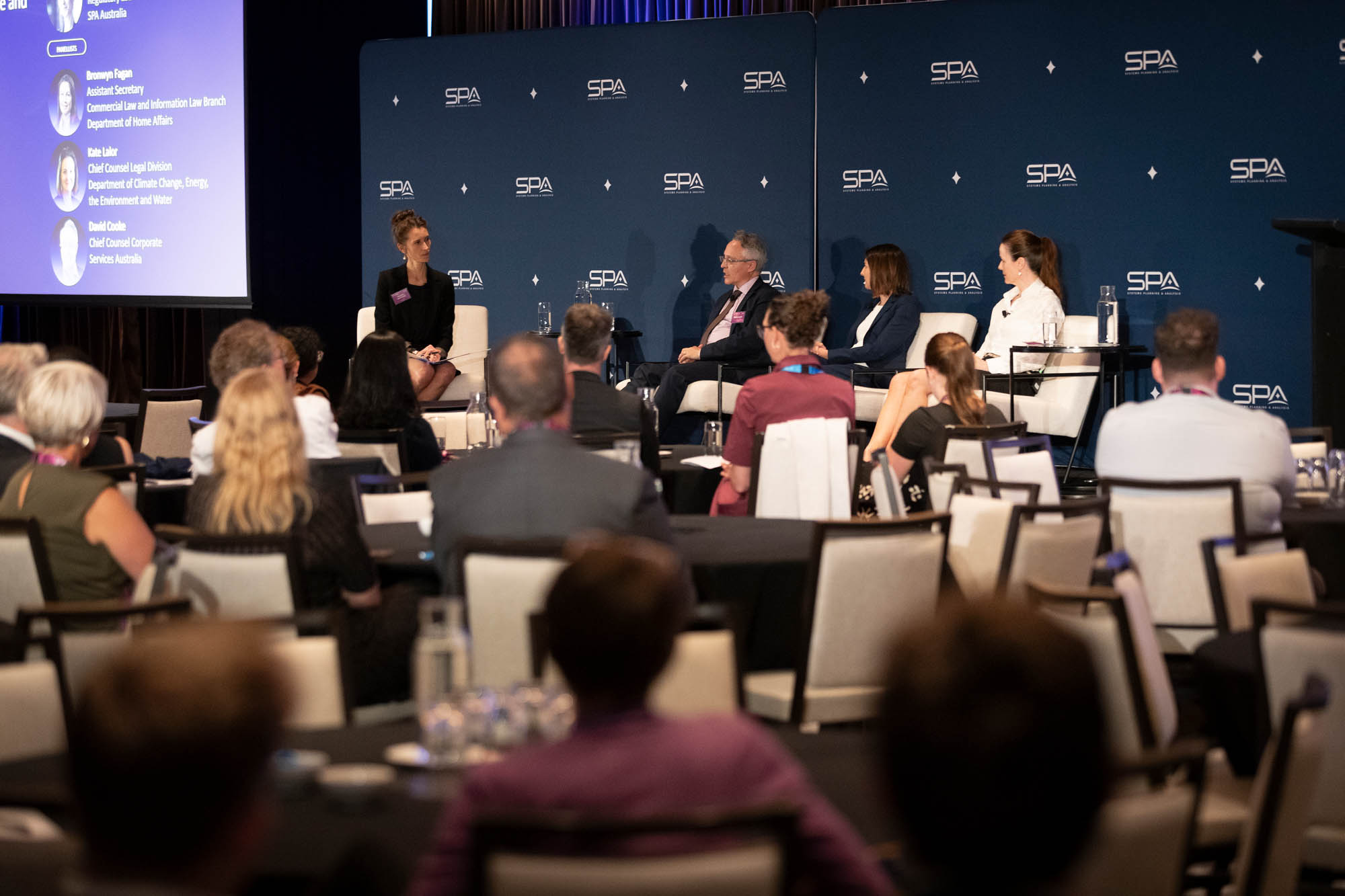
This panel challenges traditional views of legal ethics, exploring integrity as a shared leadership responsibility and how government lawyers can strengthen accountability, capability, and ethical governance across the public service.
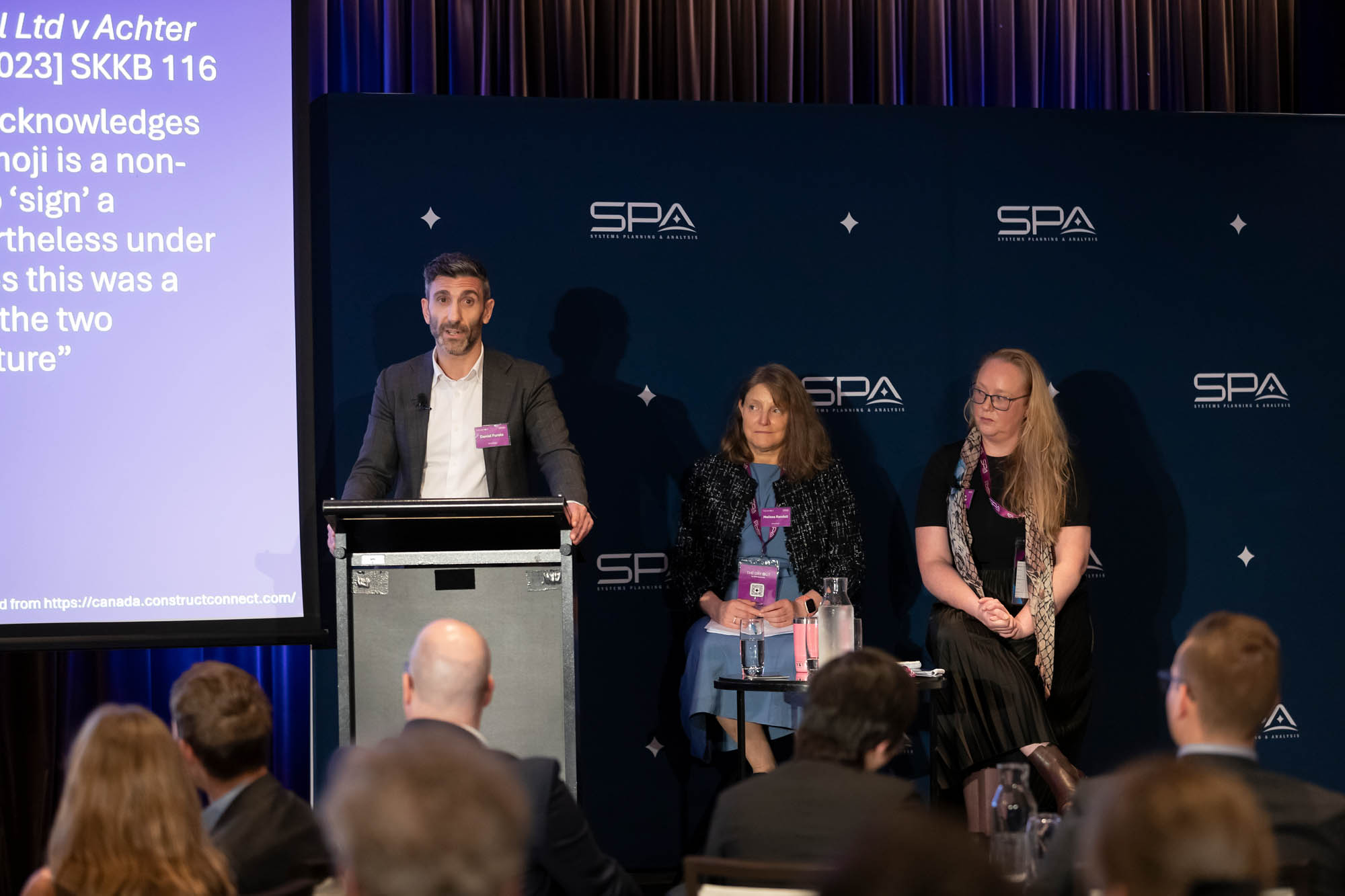
This session covers recent developments in LPP, statutory interpretation, and emerging emoji jurisprudence, exploring their legal implications through three short, practical presentations.
This session examines evolving digital governance, rising enforcement, and new APS AI requirements, highlighting how case law is reshaping data security and what agencies must do to prepare.
This session explores key 2025 administrative law decisions, emerging trends, court approaches, and technology’s impact, alongside practical guidance for in-house government lawyers and decision-makers.
Commonwealth agencies face significant challenges in protecting their brand.
How to navigate the complexities of various contract issues.
Redefining administrative law to prevent harm.
Balancing Risks and Unlocking Opportunities: How Government navigates the world of technology, artificial intelligence and cyber security.
In this session, we will discuss emerging issues in Defence, with a focus on developments in operations law, combined with recently introduced or proposed changes in military law.
This session will explore the concept of trauma-informed legal practice – an essential way forward to prevent harm to citizens and enable lawyers to manage burnout, compassion-fatigue and vicarious trauma
Navigating the complexities of Grandfather’s axe, reviving expired agreements, and the implications of uncertainty created by poor drafting.
Ethics panel discussing a range of hypothetical scenarios.
Faced with oversight of a vast range of companies or individuals, regulators must achieve their goals and deliver on public expectations, all while they adhere to limits on budgets and staff and navigate increasing complexity and technological change, including the emergence of Artificial Intelligen
Improving complaints handling in Commonwealth Government procurement.
In the intricate dance of legal drafting, where precision is paramount and the stakes are high, the humble comma takes centre stage.
Loretta Houlahan dives into a new system of Federal Administrative Review.
Opening remarks + In recent high-profile cases, government agencies have faced the intricate task of reconciling ministerial objectives with rigorous risk management, compliance, and legislative obligations.
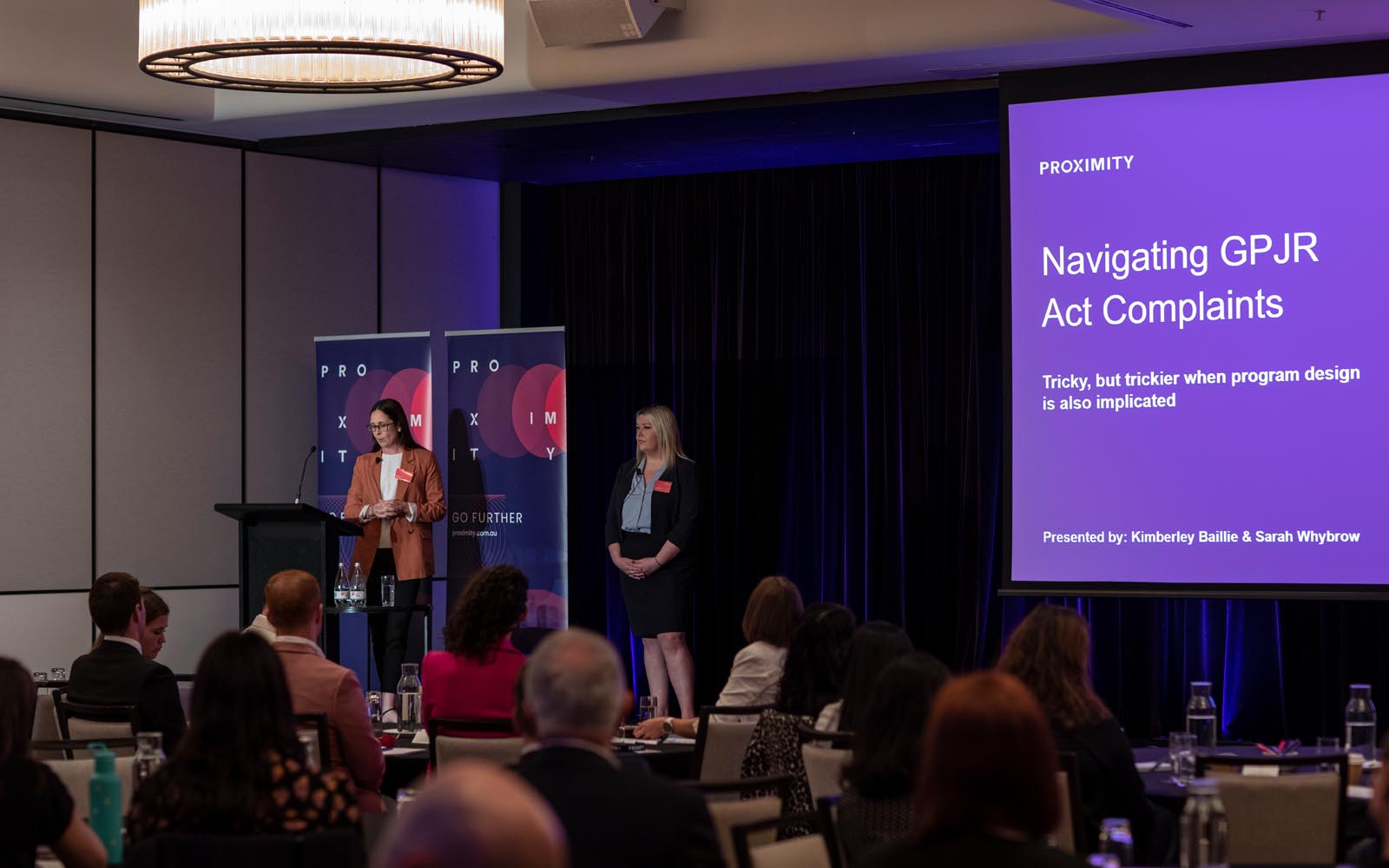
This presentation aims to equip attendees with a strategic approach to addressing Government Procurement (Judicial Review) Act 2018 complaints, including when they intersect with broader program design aspects.
We’ve all seen it – comparison between two seemingly similar things being used as a shield…or as a weapon for change.
Understanding the nature and source of executive power is central to our role as government lawyers.
The integrity landscape across government continues to evolve, with the recent commencement of the National Anti-Corruption Commission in particular, having a fundamental impact on the way in which integrity is ‘operationalised’ by federal public sector agencies.
Dealing with ethical challenges in government can be tricky, but it’s manageable.
A panel examination of ethical problems across government.
Everyone (just about) is working from home or will be at some stage. What are employers’ responsibilities for workplace health and safety (WHS) when everyone is working from home? What are workers’ responsibilities? Does anyone really know?

 Proximity is now SPA Australia LEARN MORE